
Jeanine Pirro sent a powerful and pointed message that quickly spread across the nation, directed at Representatives Jasmine Crockett and Alexandria Ocasio-Cortez (AOC). Her words were cutting, labeling both women as “not good women” and “ignorant” for voting against honoring the life of Charlie Kirk, a man she described as a true warrior for freedom and a guiding light for a generation of young people.
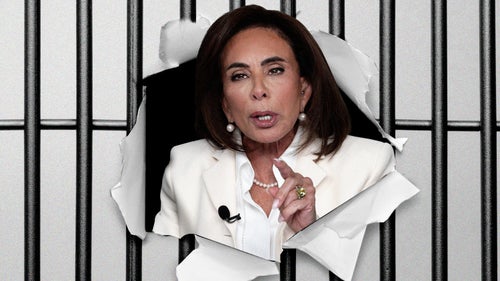
This “8-word” message was simple but packed with meaning: “They are not good women, it’s a shame.” To Jeanine, this vote wasn’t just a matter of political disagreement—it was a mistake rooted in ignorance about who Charlie Kirk was and the legacy he left behind. She stressed that Charlie was more than a political figure; he was a leader who gave countless young conservatives a voice, a platform, and hope when many wanted to silence them.
Pirro’s condemnation carried an edge of deep disappointment, especially from the perspective of what she feels women should represent. “Women should stand for courage, leadership, and respect,” she said, underscoring that rejecting a tribute to someone like Charlie Kirk fell far short of those ideals. For her, this was not merely a political battle but a personal calling to defend the memory of a man who inspired passion and change.
The final point in her message was particularly striking. Jeanine emphasized that those who refused to honor Charlie Kirk symbolized a broader problem—one of dismissing truth and courage in favor of political rivalry and personal agendas. She painted a picture of a nation struggling between division and unity, and she urged that honoring legacy and respect must rise above petty disagreements.

Her words ignited conversation everywhere—from political talk shows to social media forums—raising questions about respect, political decorum, and the nature of honor in today’s polarized times. Supporters of Pirro and those mourning Charlie’s loss found strength in her bold stance, feeling that she spoke for many who believe in the power of legacy and truth.
However, critics saw her words as harsh and divisive, fueling further debate about the way political disagreements spill into personal attacks. Yet, even among these debates, Jeanine’s message resonated deeply with conservatives and those who admired Charlie Kirk’s work as a movement builder and a champion of free speech.
In many ways, this incident highlighted the continuing struggle over how history and leadership are remembered and respected in American politics. Jeanine Pirro’s pointed critique reminded everyone that honoring those who inspire and lead is more than just ceremony—it’s about recognizing what true leadership embodies: courage, conviction, and the ability to bring people together.

Ultimately, Jeanine’s “8-word” message was a call for accountability and respect, especially among women leaders. She challenged her opponents not just to reconsider their vote but to reflect on the broader responsibilities of leadership and the kind of example they want to set.
In a nation divided by so many issues, her words cut through the noise—demanding more than politics but integrity, more than noise but honor. For her, and for many who stood behind her, this was about standing up for a legacy that refused to be dimmed.
With that final point, Jeanine Pirro reminded the nation that some battles are worth fighting not just with rhetoric but with respect for those who dared to make a difference. It’s a message echoing far beyond a congressional vote, calling everyone to hold fast to values that unite rather than divide.